Stories

Moments carved in stone, soil, and memory.

Step into the defining chapters that built the modern capital. Each story captures a pivotal moment when Tirana broke from its quiet past, charting a dramatic course through European monumentalism, cultural friction, and human resilience.

How Tirana was born

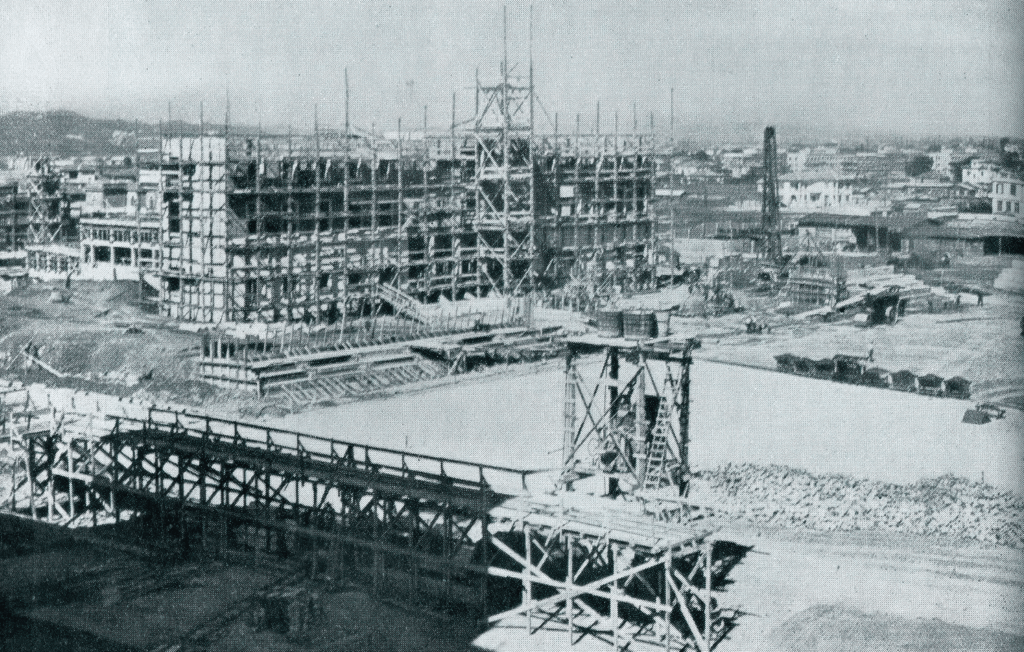
When the 1920 Congress of Lushnja declared Tirana the provisional capital, it was little more than a sprawling Ottoman market town with muddy lanes and low tile roofs. A decade later, King Zog and Italian master architects Armando Brasini and Florestano Di Fausto unleashed a monumental vision.

Through timber scaffolding, hand-mixed mortar, and steam engines, the rationalist ministry complex rose from the dirt. It was an ambitious, controversial gamble to thrust an ancient Balkan crossroads into modern European geometry—carving out the vast public squares and monumental boulevards that still dictate the capital’s pulse today.


BETWEEN HOOVES AND HORSEPOWER

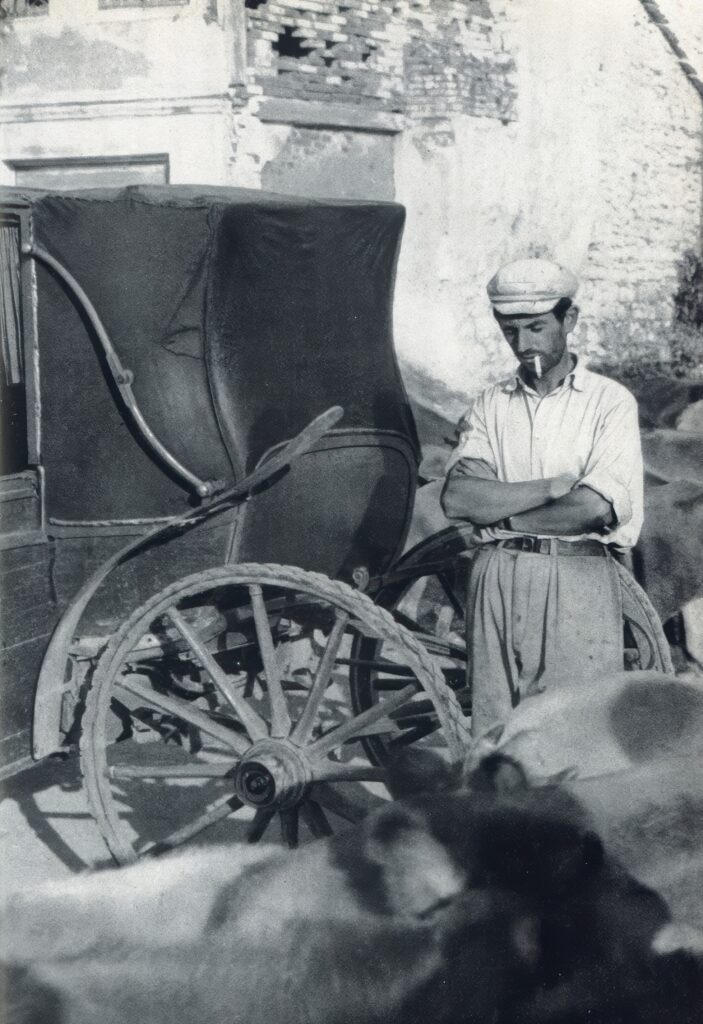
Progress does not happen overnight; it lingers on street corners. In the interwar years, Tirana existed suspended between two tempos. While the first motorcars, open-top Fiats, and state vehicles sputtered across newly paved avenues, the city’s daily rhythm still relied on weathered horse-drawn carriages, quiet side-street alleys, and patience. Drivers stood as living bridges between eras—lighting a cigarette against the crumbling plaster of historic quarters, waiting as the quiet cadence of an Ottoman province gave way to the relentless momentum of the 20th century.

THE HANDS BENEATH THE BOULEVARD

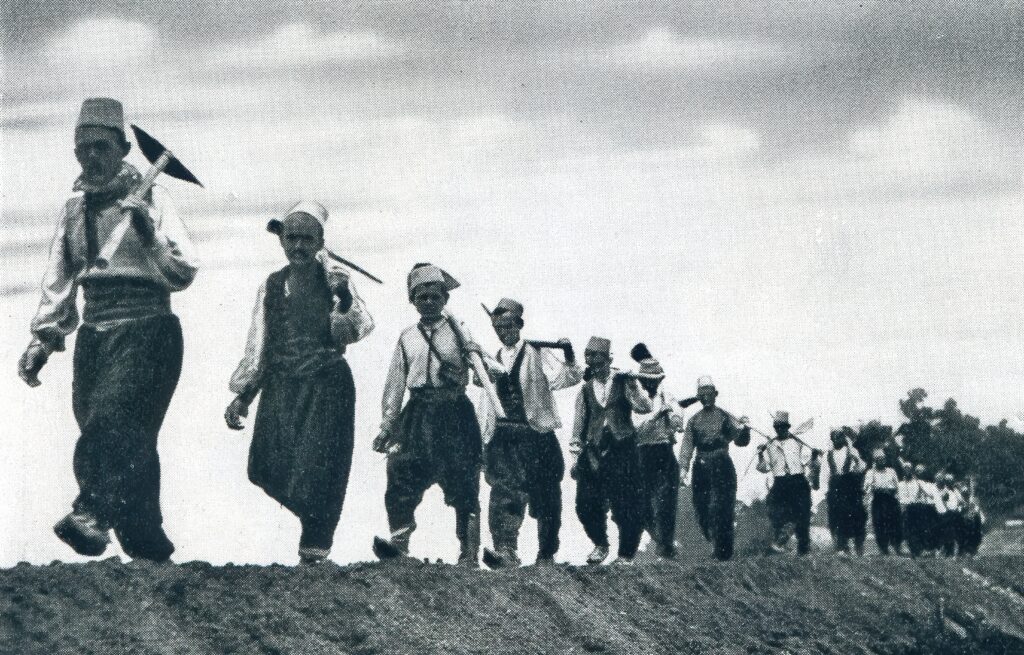
Beneath every grand boulevard and rationalist ministry lies the physical sweat of thousands who left the high mountain villages and surrounding plains to build a capital with their bare hands. Clad in traditional woolen tirq, hand-stitched sashes, and felt caps, marching with pickaxes and shovels slung across their shoulders, these laborers leveled the hills, channeled the Lana, and laid the foundations of modern Tirana stone by stone. Their silhouettes across the ridge are a testament that Tirana was not just drawn in royal offices—it was carried into existence on the backs of its people.

a

Tue ‒ Thu: 09am ‒ 07pm
Fri ‒ Mon: 09am ‒ 05pm

Adults: $25
Children & Students free

673 12 Constitution Lane Massillon
781-562-9355, 781-727-6090