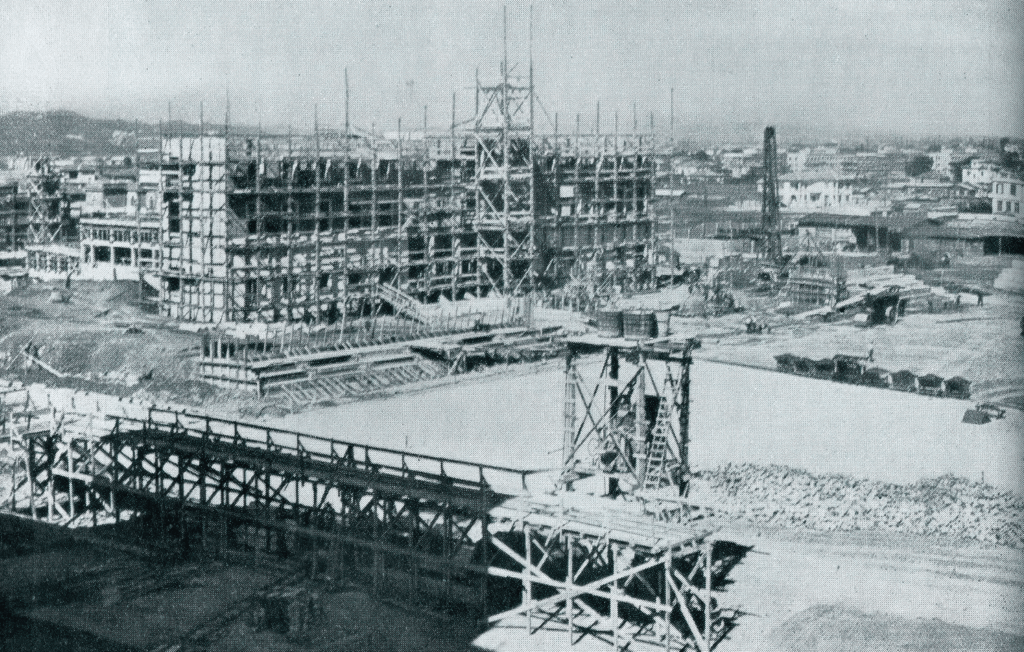
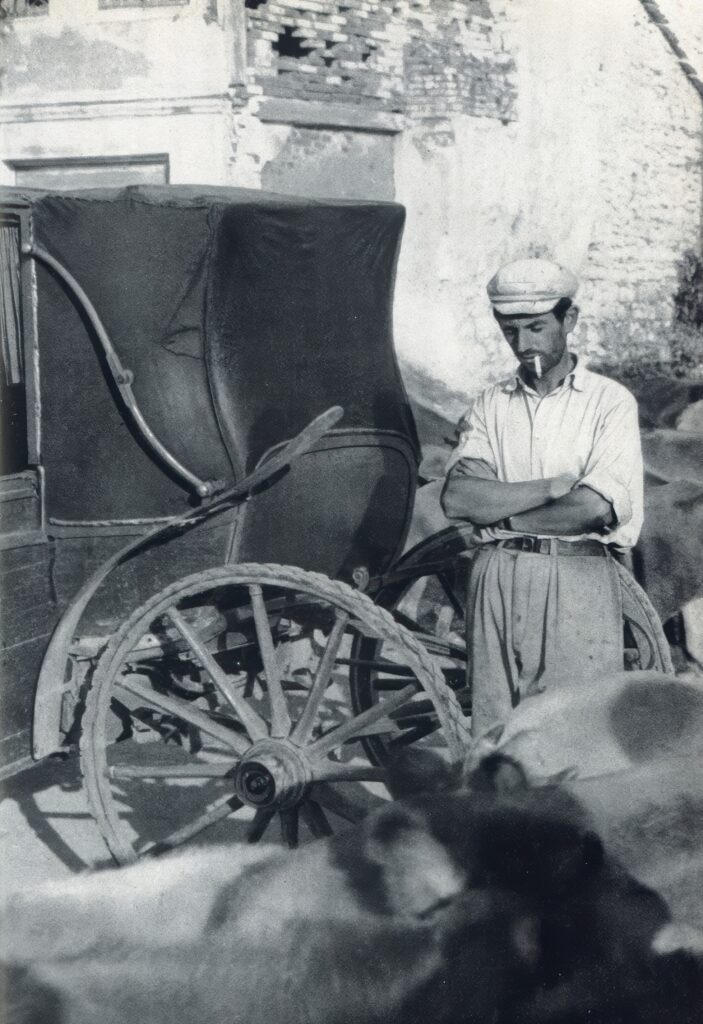
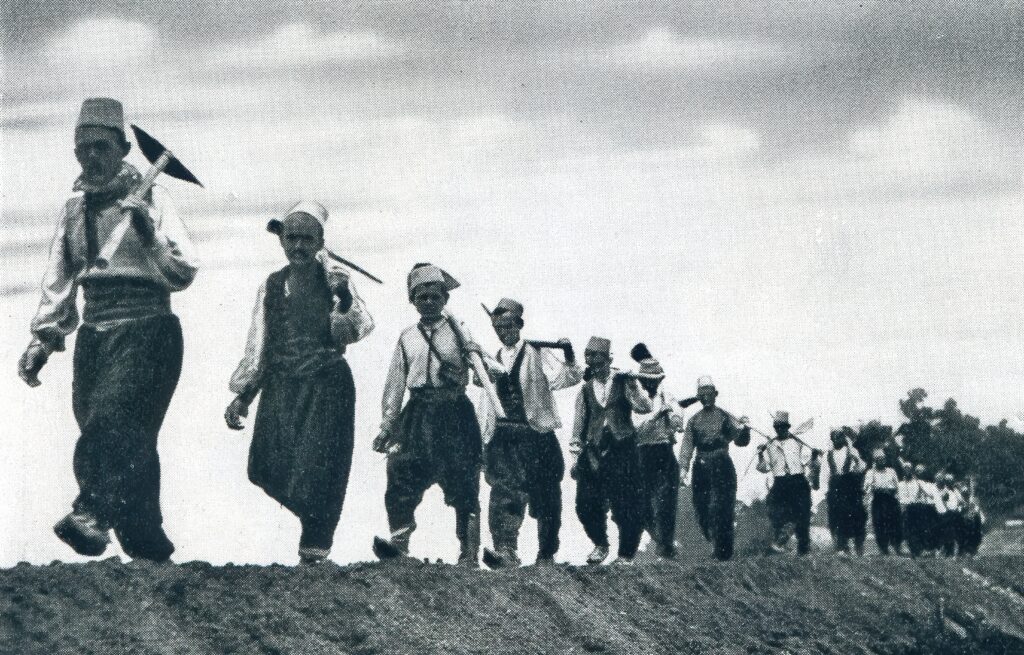
When the 1920 Congress of Lushnja declared Tirana the provisional capital, it was little more than a sprawling Ottoman market town with muddy lanes and low tile roofs. A decade later, King Zog and Italian master architects Armando Brasini and Florestano Di Fausto unleashed a monumental vision.
Through timber scaffolding, hand-mixed mortar, and steam engines, the rationalist ministry complex rose from the dirt. It was an ambitious, controversial gamble to thrust an ancient Balkan crossroads into modern European geometry—carving out the vast public squares and monumental boulevards that still dictate the capital’s pulse today.